
Can’t Stop Scrolling? Digital Burnout Is Real!
On This Page
Can’t Stop Scrolling? Digital Burnout Is Real!
Have you ever felt completely exhausted after spending the whole day on your phone, scrolling through TikTok, or playing online games? Heavy head, sore eyes, mood swings, and trouble focusing on schoolwork, those could be signs that you’re experiencing Digital Burnout.
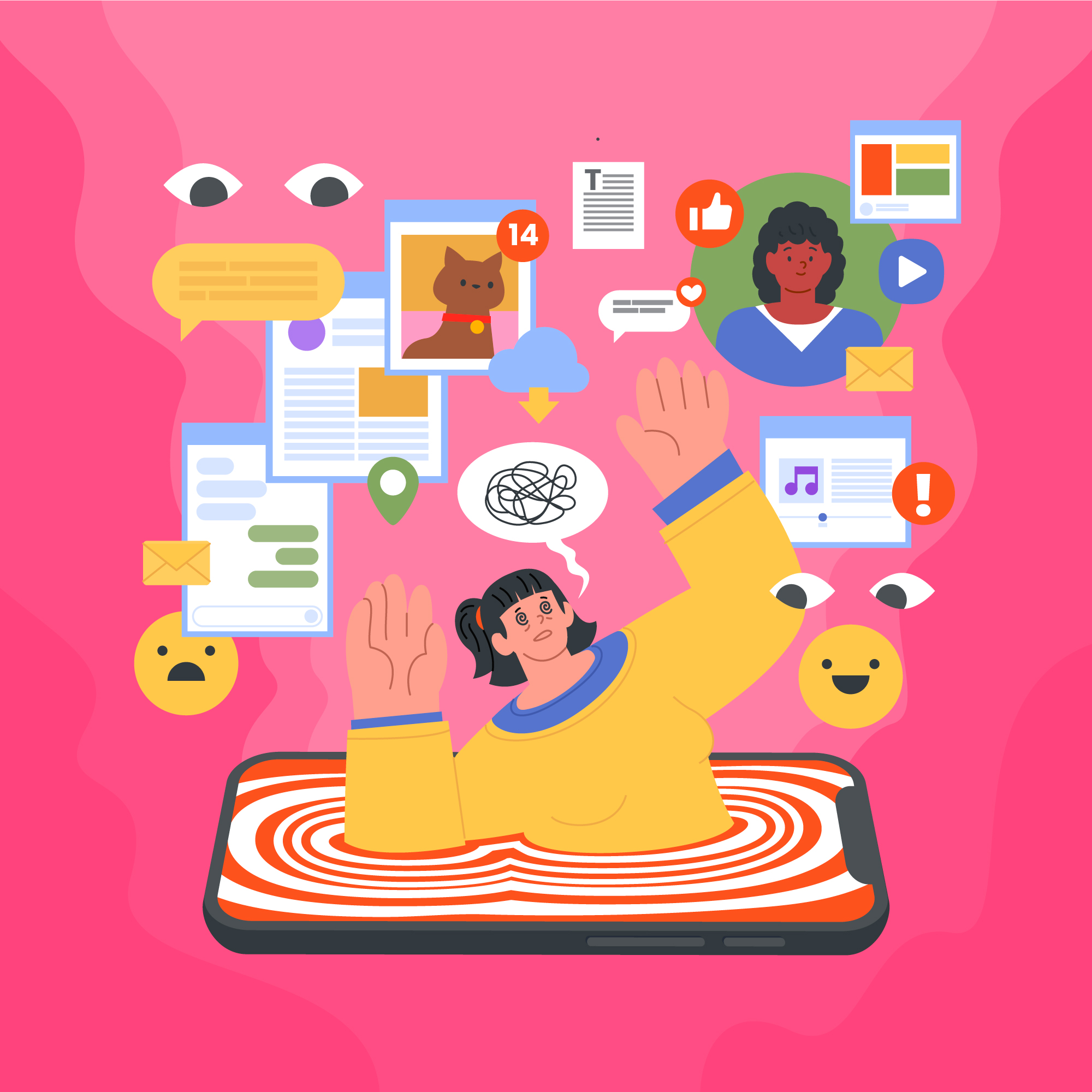
According to the International Journal of Science and Research (IJSR) in the article Digital Burnout and Mental Health: Evaluating Interventions in Gen Z Populations, teenagers with screen time of more than 4 hours a day are at higher risk of mental health problems. About 27% reported symptoms of anxiety and 25% reported symptoms of depression, compared to those with less than 4 hours of screen time (12% anxiety and 9% depression). These findings show that the longer the screen time, the greater the risk of mental health issues.
Digital burnout doesn’t just affect physical health, it also impacts mental well-being and even social relationships:
- Physical symptoms: headaches, eye strain, insomnia
- Mental symptoms: mood swings, frustration, loss of motivation to study
- Social impact: relationships with teachers or friends may weaken because attention is divided between the digital world and real life
Why does this happen? Research published in BMC Psychiatry titled Understanding the relationships among adolescents’ internet dependence, reward, cognitive control processing, and learning burnout: a network perspective in China explains that our brain has two systems: one that drives us to seek rewards (like notifications, likes, or winning a game), and another that controls self-regulation. When the reward system becomes too active while self-control weakens, we don’t just struggle to stop (digital addiction), but we also risk experiencing mental and physical exhaustion (Digital Burnout).
But don’t worry, there are ways to overcome this:
- Digital detox: Try spending 1 hour a day without gadgets to give your brain a break.
- Mindfulness practice: Take 3 minutes to breathe before studying to improve focus.
- Sleep hygiene: Stop using screens 30 minutes before bedtime for better sleep quality.
- Social support: Talking with friends or family can help release digital stress.
- Digital literacy: Learn to use the internet wisely, it’s not just about duration, but also quality. Choose meaningful content, limit oversharing, and avoid cyberbullying.
Remember, the internet is fun, but your body and mind also need rest. So when you’re tired of scrolling, it’s okay to pause for a while. Taking care of your digital health is just as important as taking care of your physical health.
Related News