From Innovation to Impact: Strengthening Global Collaboration for Youth Mental Health
On This Page
From Innovation to Impact: Strengthening Global Collaboration for Youth Mental Health
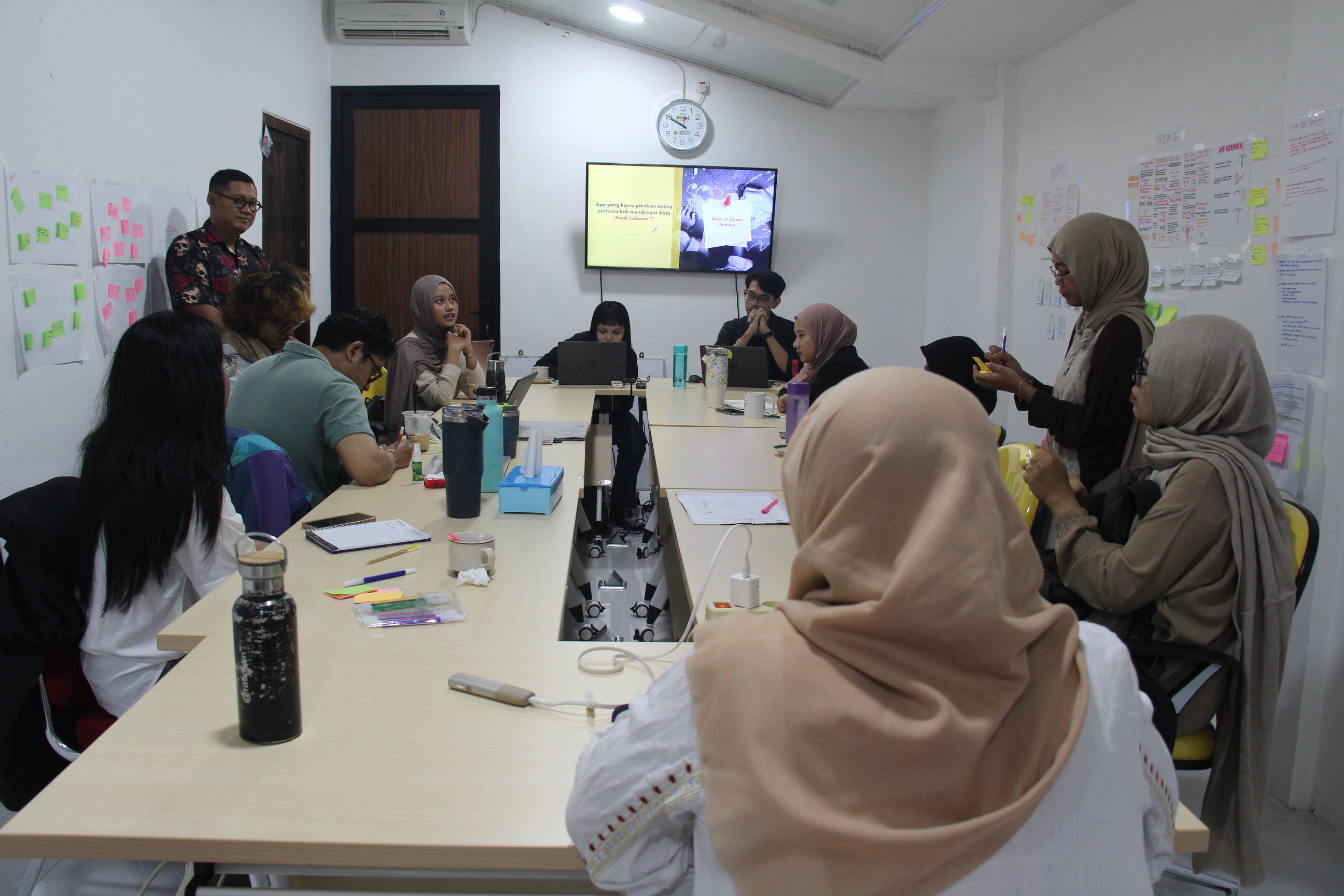
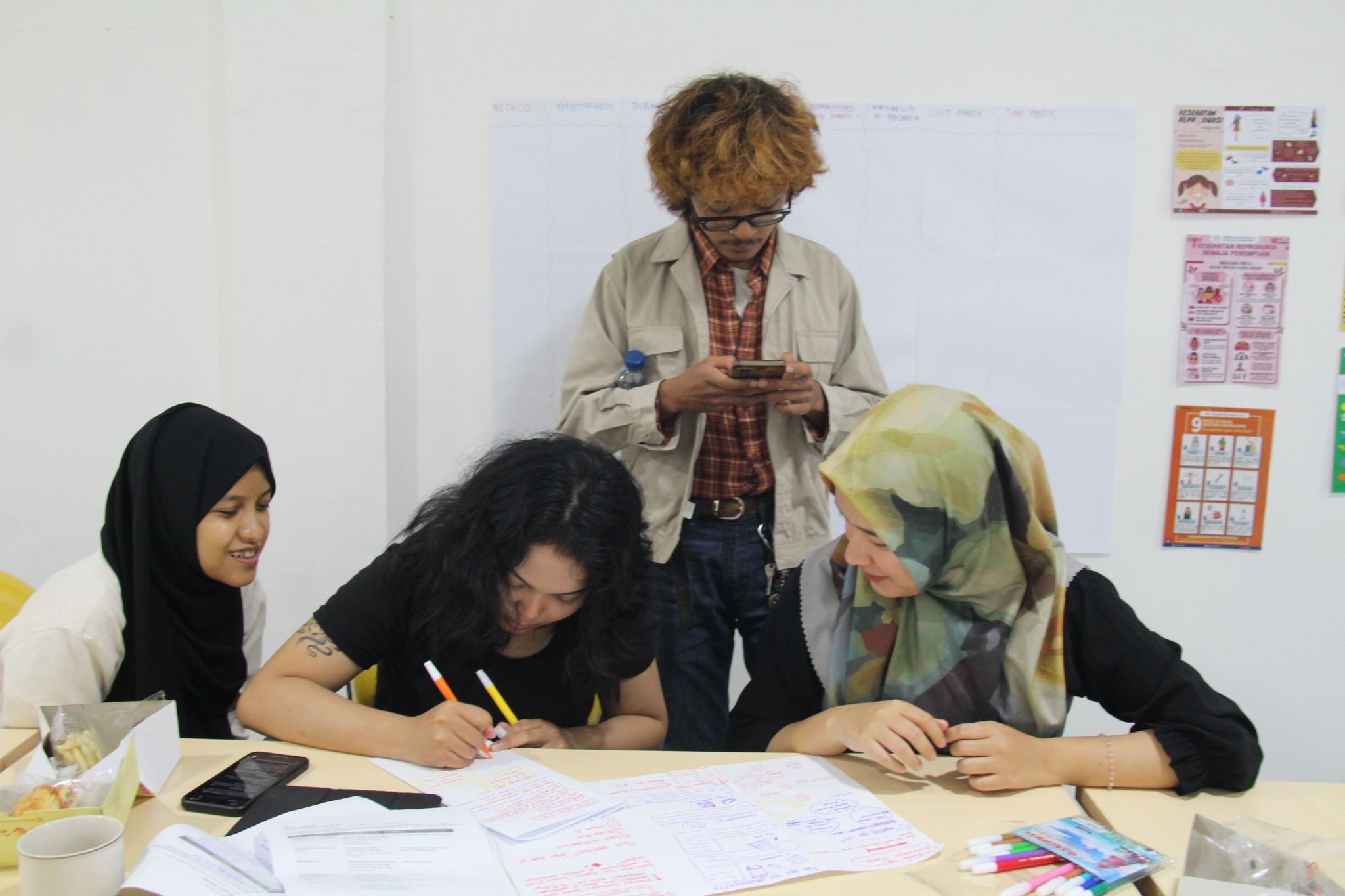
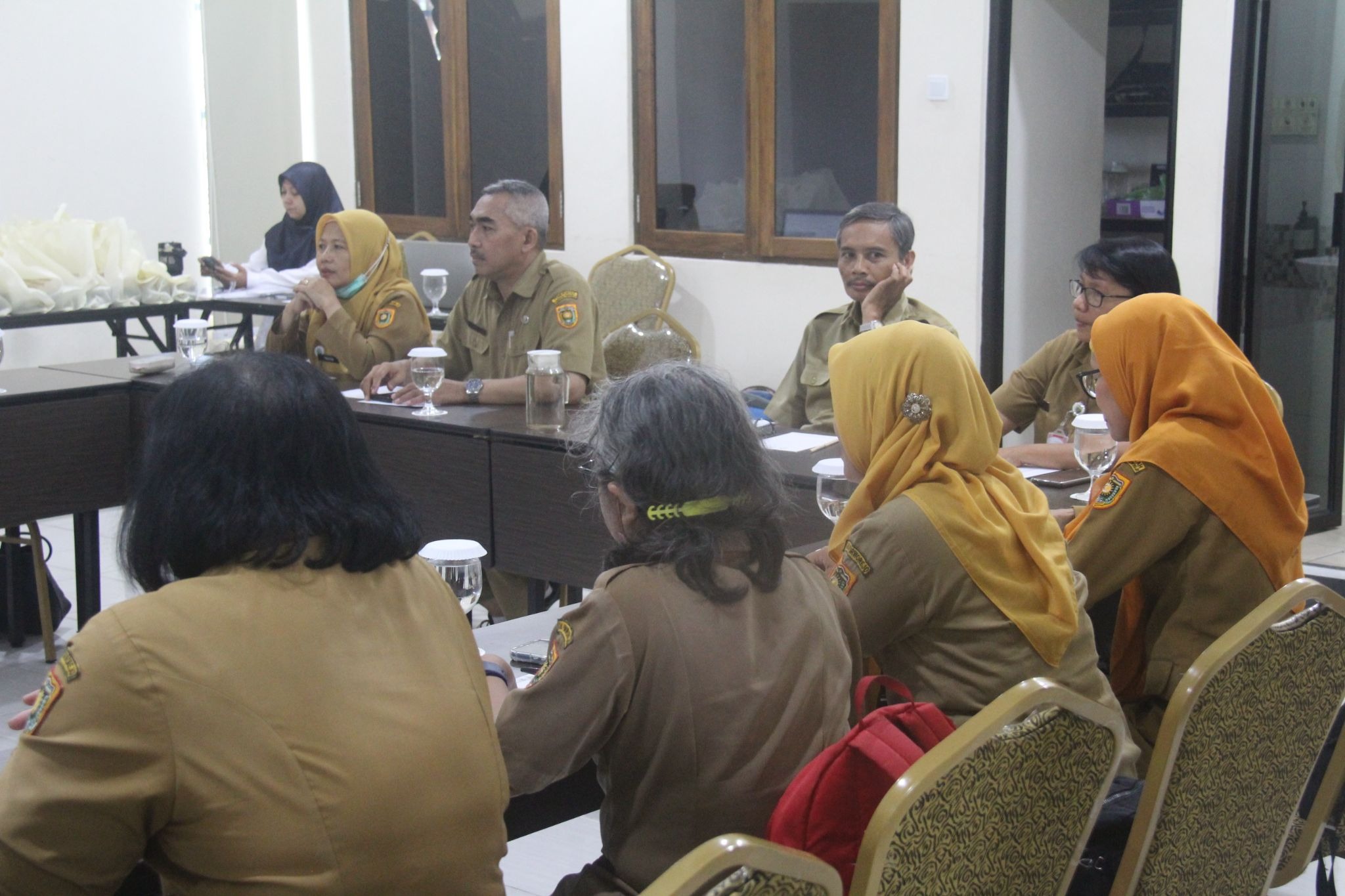
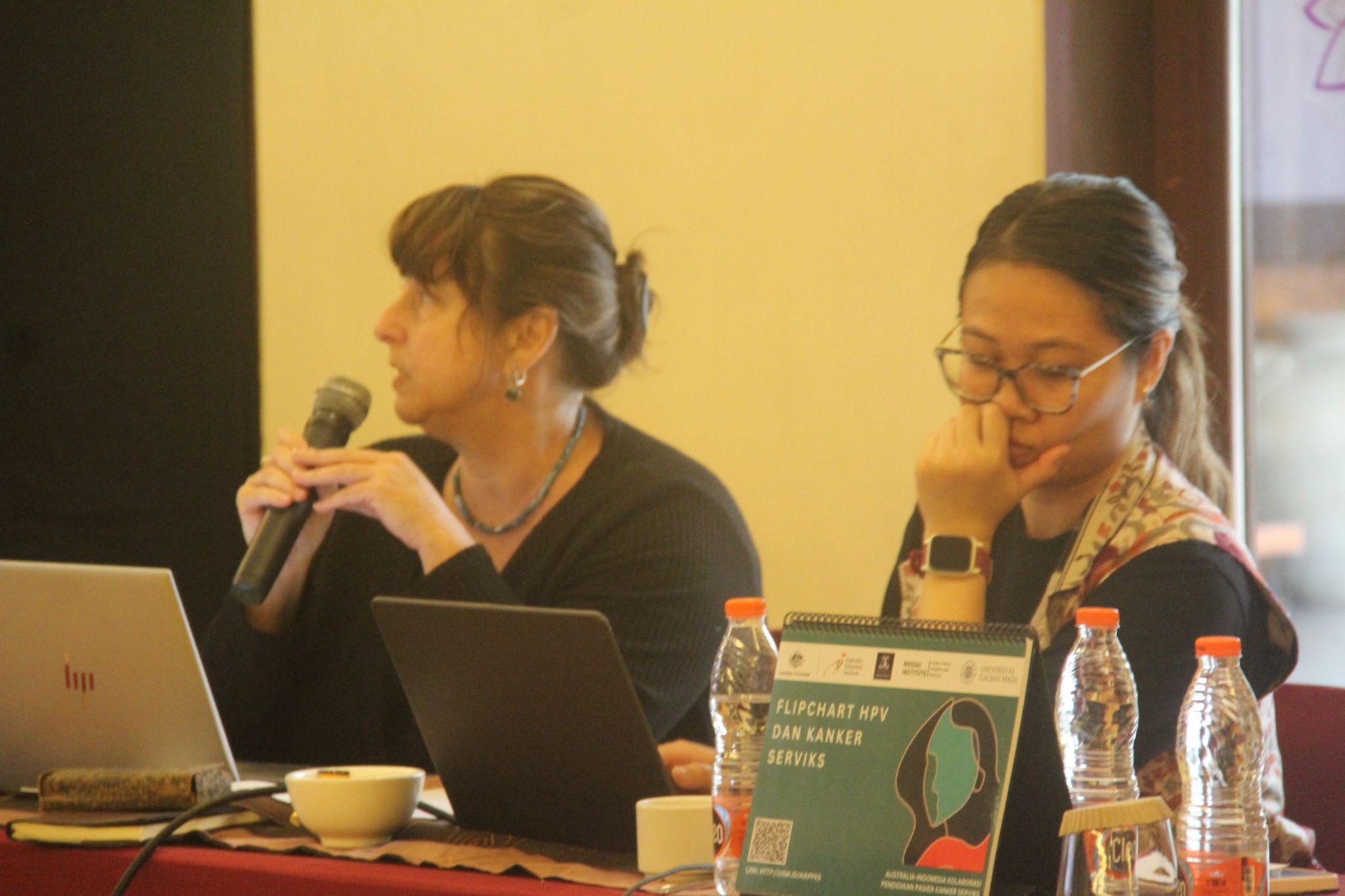
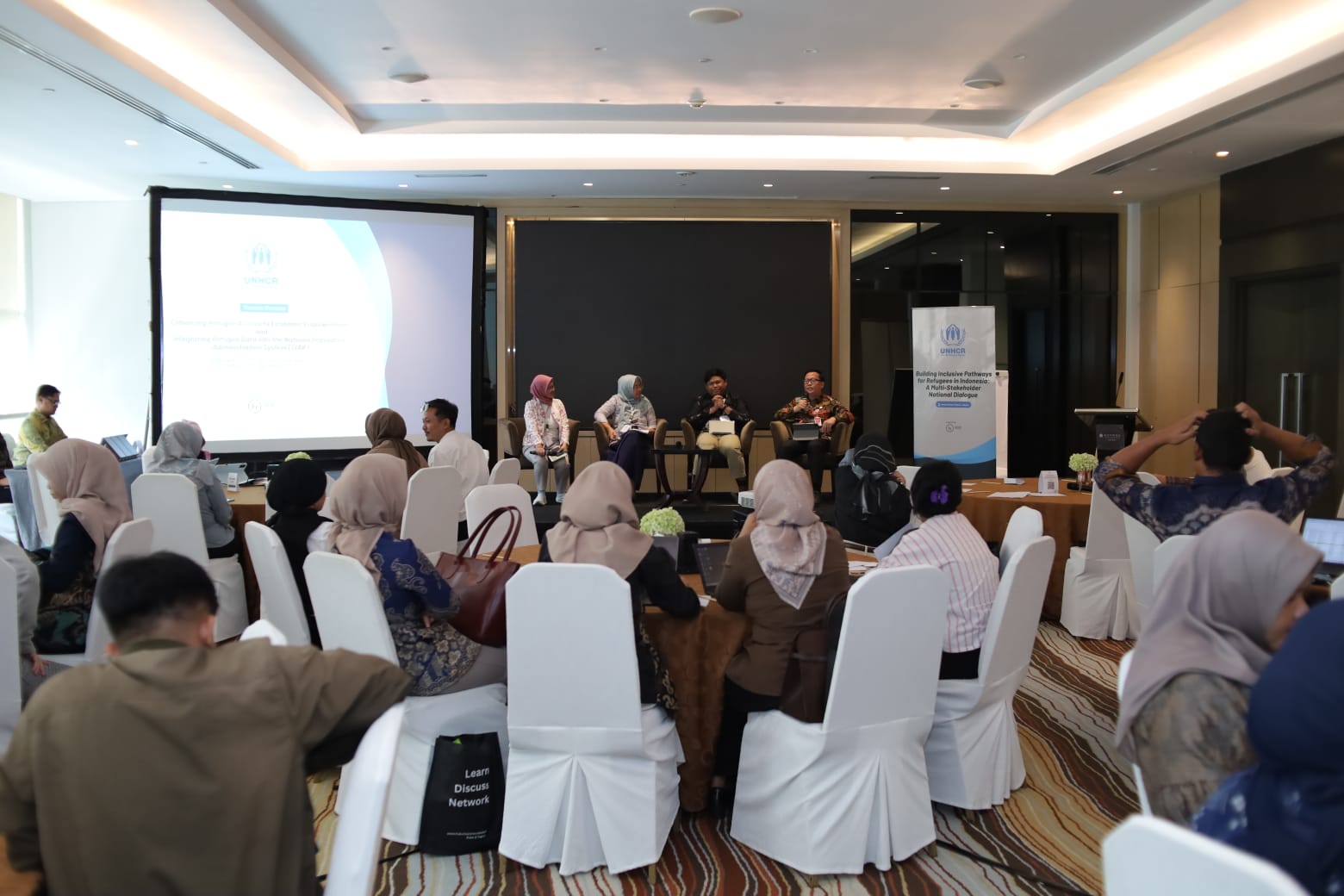
As concerns about youth mental health continue to grow worldwide, researchers, practitioners, policymakers, and international organizations are increasingly working together to address the complex challenges affecting young people's wellbeing. Held on 1-2 October 2026 in Islamabad, Pakistan, the Pakistan Global Mental Health Summit 2026 provided a platform for dialogue, collaboration, and knowledge exchange on advancing mental health efforts. Among the featured discussions was Session IX: From Innovation to Impact - BEING Research Excellence Hub on Youth Stressors for Wellbeing, which explored how research can be translated into meaningful action and lasting impact for young people.

The session was moderated by Prof. Brandon Kohrt, Professor and Director of the Center for Global Mental Health Equity at George Washington University (GWU), United States. Distinguished speakers included Dr. Byron Bitanihirwe, Programme Manager of BEING at the Science for Africa Foundation; Prof. Dr. Syed Usman Hamdani, Founding Director of the Global Institute of Human Development (GIHD), Shifa Tameer-e-Millat University (STMU); Prof. Dr. Trudie Lang, Director of The Global Health Network at the University of Oxford; Dr. Joanna Lai, Adolescent Health Specialist at UNICEF; and Dr. Amirah Wahdi from Universitas Gadjah Mada (UGM), Indonesia.
The discussion highlighted the role of research excellence and international collaboration in advancing understanding of the stressors that influence young people's mental health and wellbeing. Speakers emphasized the importance of generating robust evidence to inform context-responsive interventions, strengthen policy development, and ensure that research findings contribute to tangible improvements in young people's lives.

Beyond serving as a platform for scientific exchange, the summit also provided an opportunity to strengthen global partnerships. In commemoration of World Mental Health Day 2026, Dr. Amirah Wahdi reflected on the summit as a meaningful occasion for members of the BEING Consortium and its fellows to connect in person after months of virtual collaboration, research activities, fieldwork, and stakeholder engagement.
For many participants, the event represented more than an academic gathering. It offered a chance to build stronger professional relationships, exchange ideas across disciplines and countries, and inspire one another through a shared commitment to improving mental health outcomes.
During an interview at the summit, Dr. Amirah shared:
“This is also an opportunity for us from the BEING Consortium to meet here, especially for the fellows who have been working for several months preparing field activities, conducting surveys, and engaging with stakeholders. This summit is a valuable opportunity for us to meet face-to-face, as all of our previous collaboration took place online. It also allows us to exchange ideas, inspire one another, and strengthen a shared vision for a better future, not only for Pakistan but also for the region and globally,” said Dr. Amirah Wahdi.

Dr. Amirah further highlighted the importance of bringing researchers, fellows, and stakeholders together in a shared forum. Such opportunities, she noted, help build stronger collaborative networks and align collective efforts toward achieving better mental health outcomes in Pakistan, across the region, and worldwide.
A key message emerging from the summit was that research should not end with publications or academic discussions. Instead, it should serve as a catalyst for meaningful change. By listening to young people's lived experiences, fostering international collaboration, and translating evidence into practice, stakeholders can help create more responsive, inclusive, and sustainable approaches to mental health.
When lived experiences are heard, real voices can inspire real change. From innovation to impact, research must lead to transformation.
Tags
Researchers
Dr. Amirah Wahdi
Collaborators
Funding
Related News