UGM Reproductive Health Center and UNHCR: Strengthening Refugee Access to Basic Services and Economic Empowerment
On This Page
UGM Reproductive Health Center and UNHCR: Strengthening Refugee Access to Basic Services and Economic Empowerment
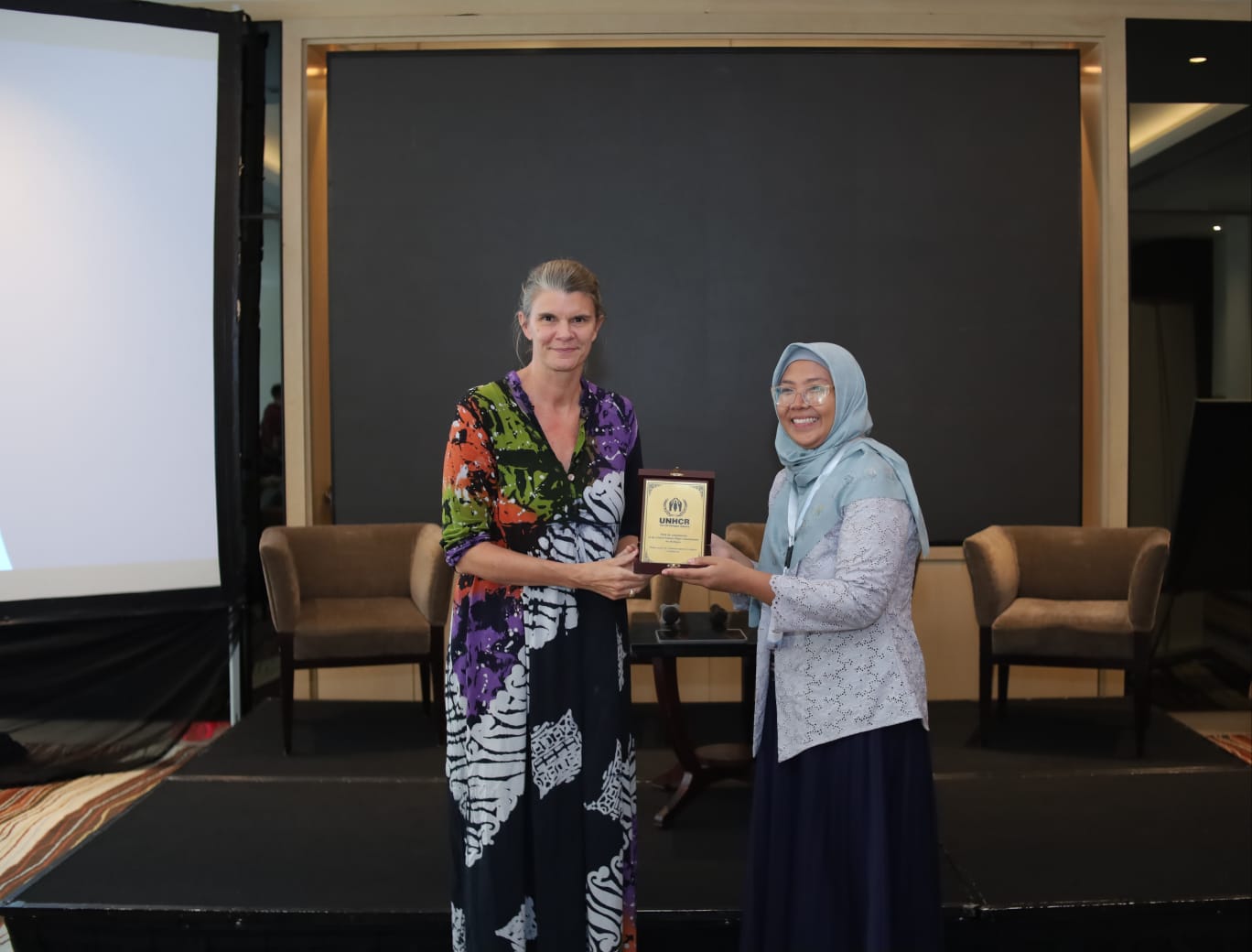
At a workshop entitled "Improving Refugee Access to Economic Empowerment Opportunities, and Integrating Refugee Data into the National Population Database (SIAK)," organized by the United Nations High Commissioner for Refugees (UNHCR) in collaboration with Hukumonline on February 19, 2026, in Jakarta, brought together various stakeholders from the government, academia, and civil society organizations. This forum served as an important platform to discuss strategies for including refugees in the national system, from economic, population administration, and population health perspectives.
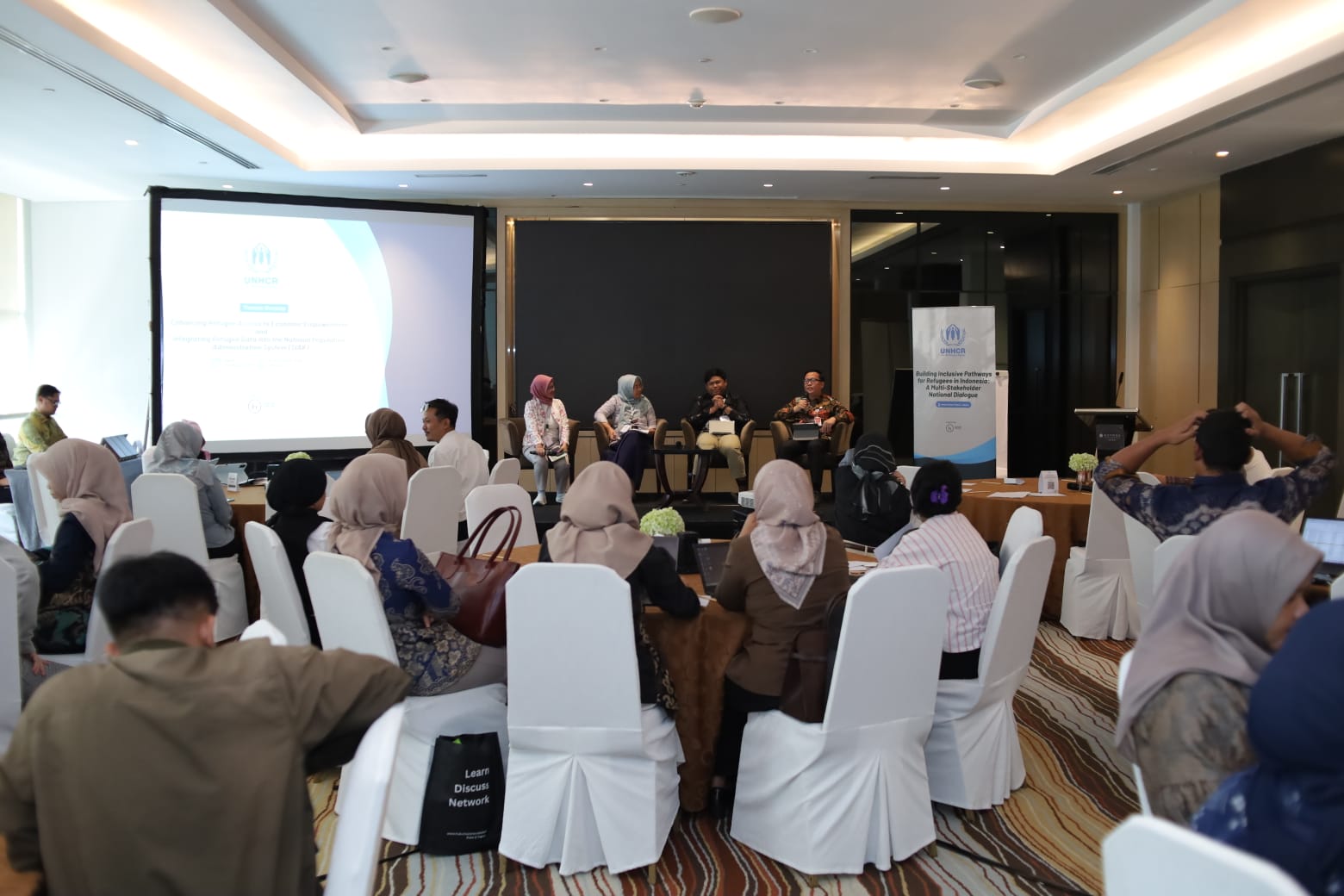
On this occasion, the Center for Reproductive Health Studies at Gadjah Mada University was invited as a researcher collaborating with Johns Hopkins University (JHU) and was also one of the speakers who emphasized the importance of cross-sector collaboration in strengthening refugee governance in Indonesia. As a public health research center, UGM Center for Reproductive Health highlighted that refugees' limited access to basic services such as health, education, and employment has a direct impact on their quality of life and social stability. Without integration into the national population administration system, refugee data is difficult to utilize for health planning and social protection.
Through collaboration with UNHCR, the UGM Center for Reproductive Health encourages the integration of refugee data into SIAK. This step will enable refugees to obtain a Population Registration Number (NIK) so that they can access public services in a more inclusive manner. On the other hand, the government will have a more accurate database for monitoring health, education, and sustainable development indicators.
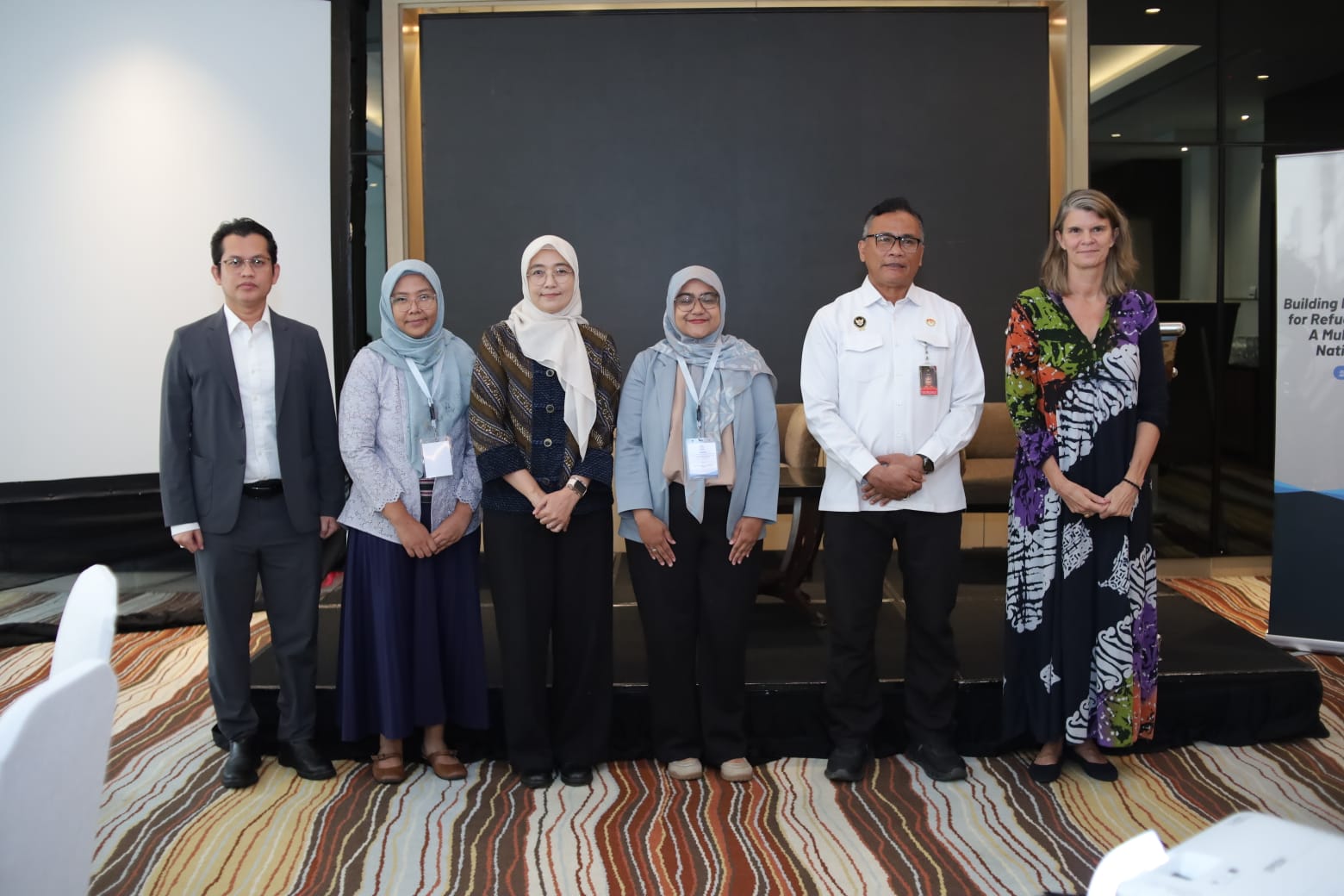
During the discussion session, UGM Center for Reproductive Health researcher dr. Ifta Choiriyyah stated, “Economic empowerment is not only a matter of humanity, but also a strategy to prevent long-term dependency and strengthen social cohesion.” This message emphasizes that refugees have the potential to contribute positively not only to themselves, but also to Indonesian society as a whole.
This collaboration is in line with Indonesia's commitment to the Sustainable Development Goals (SDGs), particularly SDG 3 (Good Health and Well-being), SDG 8 (Decent Work and Economic Growth), and SDG 10 (Reduced Inequalities). It is hoped that this will strengthen refugee governance in Indonesia, while opening up space for more inclusive and data-driven policies.