Center for Reproductive Health UGM and Purworejo Health Centers Prepare AWaRe1 Intervention for Rational Antibiotic Use
On This Page
Center for Reproductive Health UGM and Purworejo Health Centers Prepare AWaRe1 Intervention for Rational Antibiotic Use
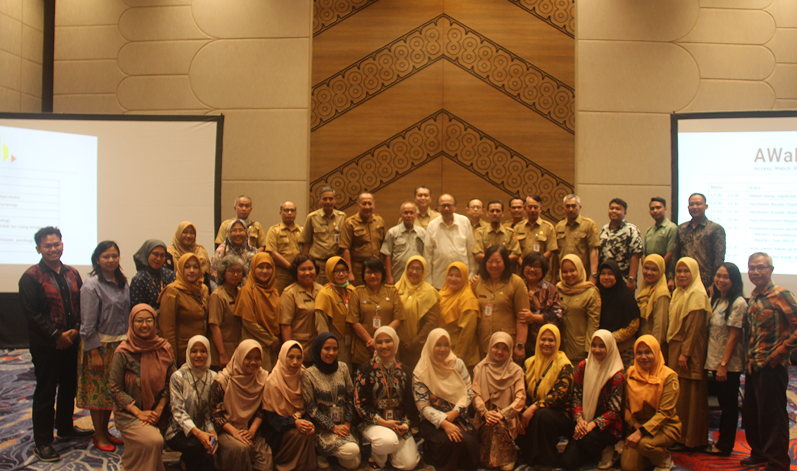
Purworejo, April 13, 2026 – FK-KMK UGM together with community health centers (puskesmas) in Purworejo have launched preparations for the AWaRe1 intervention, an international project designed to improve rational antibiotic prescribing in primary care. This initiative is part of a global effort to combat antimicrobial resistance (AMR), a growing threat as bacteria become resistant due to excessive and inappropriate antibiotic use.
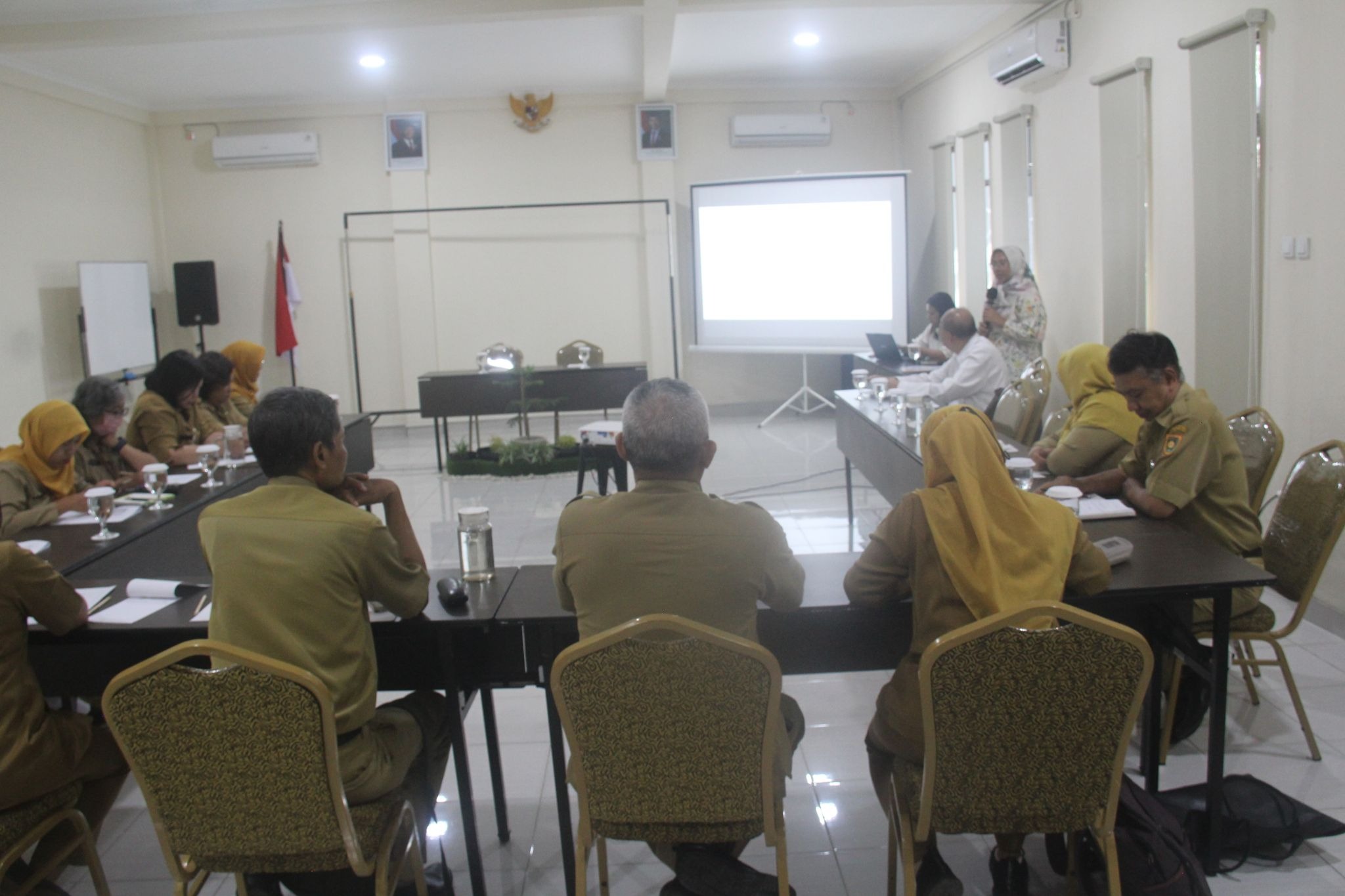
More than half of antibiotic prescriptions in primary care are considered unnecessary. AWaRe1 seeks to address this by equipping health workers with the AWaRe Antibiotic Book Tool, patient education posters, and audit logs to reflect on prescribing practices. The project emphasizes a clear and collaborative message: “Let’s work together to use antibiotics appropriately!”
A total of 12 puskesmas in Purworejo were randomly selected to participate, including Banyuasin, Dadirejo, Bayan, Gebang, Bragolan, Ngombol, Bubutan, Pituruh, Butuh, Purworejo, Cangkrep, and Winong. Health workers in these facilities will undergo interactive, case-based training sessions led by AWaRe Champions, specially trained by the Reproductive Health Center at UGM.
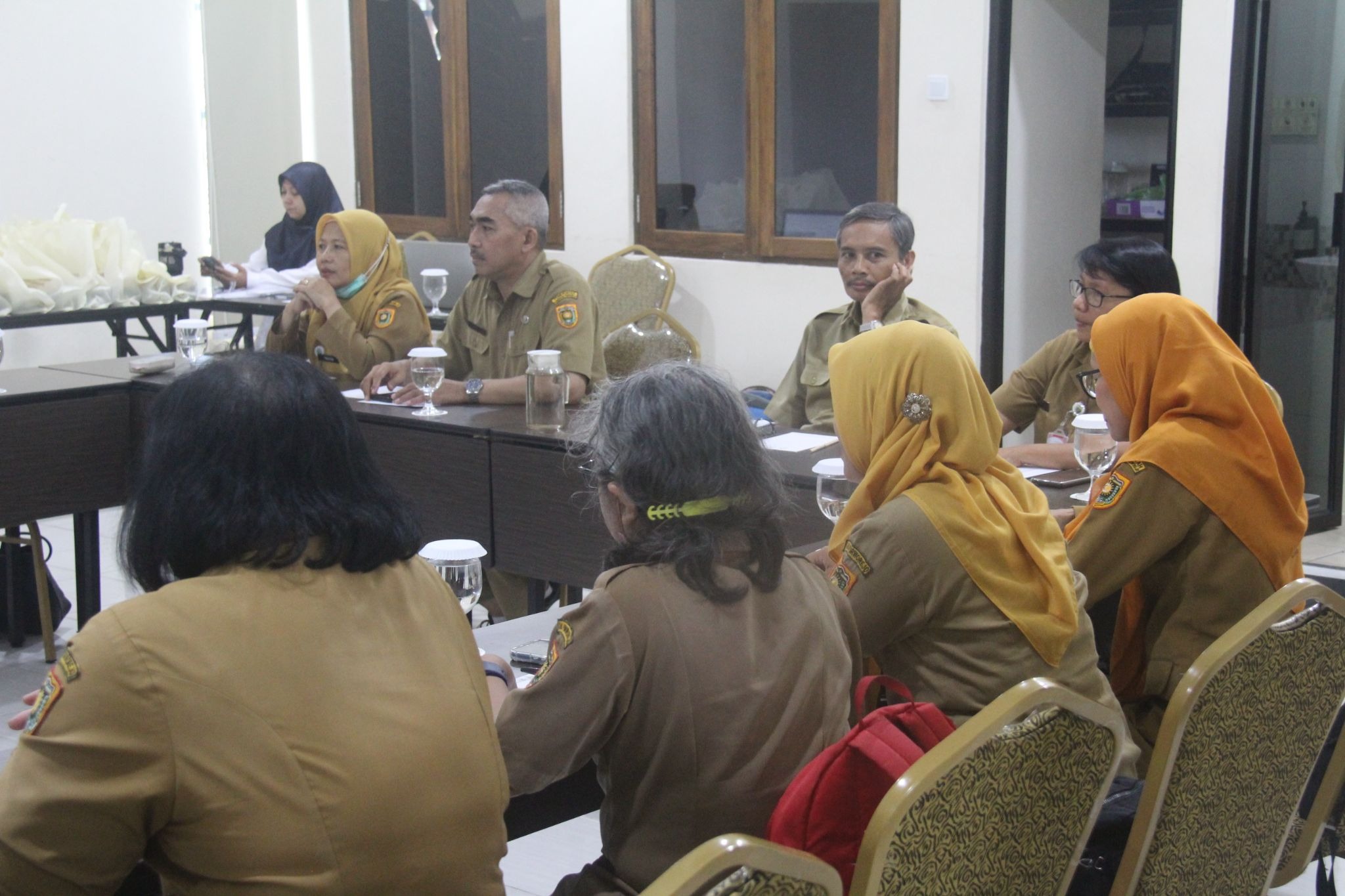
The training begins with a one-day Champion workshop, followed by three sessions of 1–1.5 hours each, held every one to two weeks. To ensure sustainability, monthly maintenance sessions will continue for six months, addressing challenges and reinforcing commitment to appropriate antibiotic prescribing. Champions are responsible for coordinating with facility leaders, installing educational posters in waiting rooms, conducting training, and providing ongoing peer support.
The preparation in Purworejo marks the starting point of AWaRe1 implementation in Indonesia. By involving Champions and frontline health workers, the program aims to reduce unnecessary antibiotic use, strengthen clinical decision-making, and protect communities from the dangers of antimicrobial resistance.
Related News